
Destinations

Six regions. Pick three and you have a trip.

Sri Lanka is small enough that most itineraries cover three or four of these without a single internal flight. Here’s what each one is actually like.

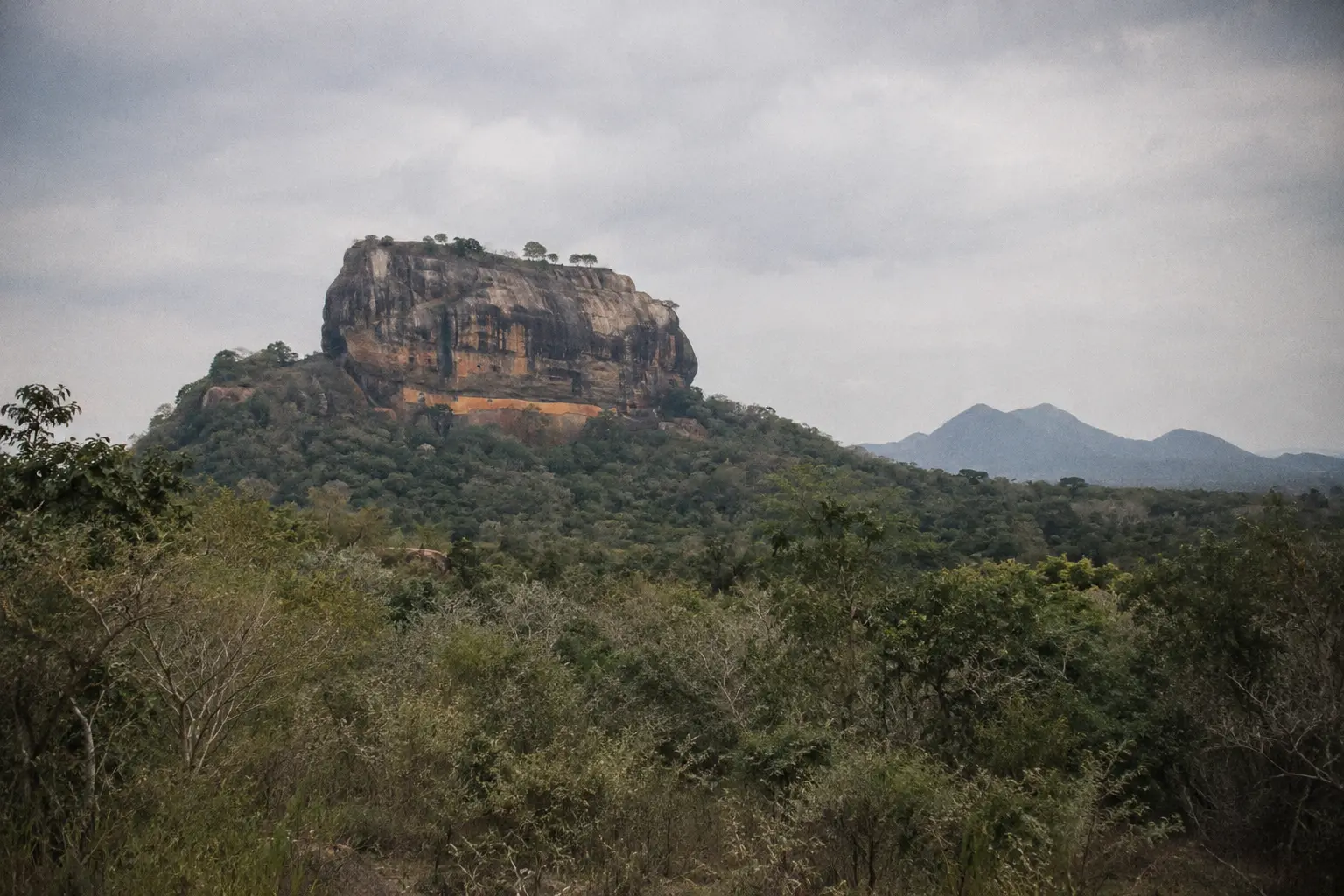
Sigiriya rock fortress rising above scrub forest on the dry central plains

01

The Cultural Triangle

Three ruined capitals and a rock fortress, spread across the dry central plains. Anuradhapura was a working city for over a thousand years; Polonnaruwa replaced it and lasted two hundred. Both are still standing in pieces you can walk through.

Sigiriya is the one everyone climbs, and it earns it — but Dambulla's cave temples, half an hour away, are the ones people talk about afterwards. Flat, hot, and easier to cover than it looks on a map.
Best time

February to September

Suggested nights

2 to 3

Main stops

Anuradhapura · Polonnaruwa · Sigiriya · Dambulla · Mihintale · Ritigala

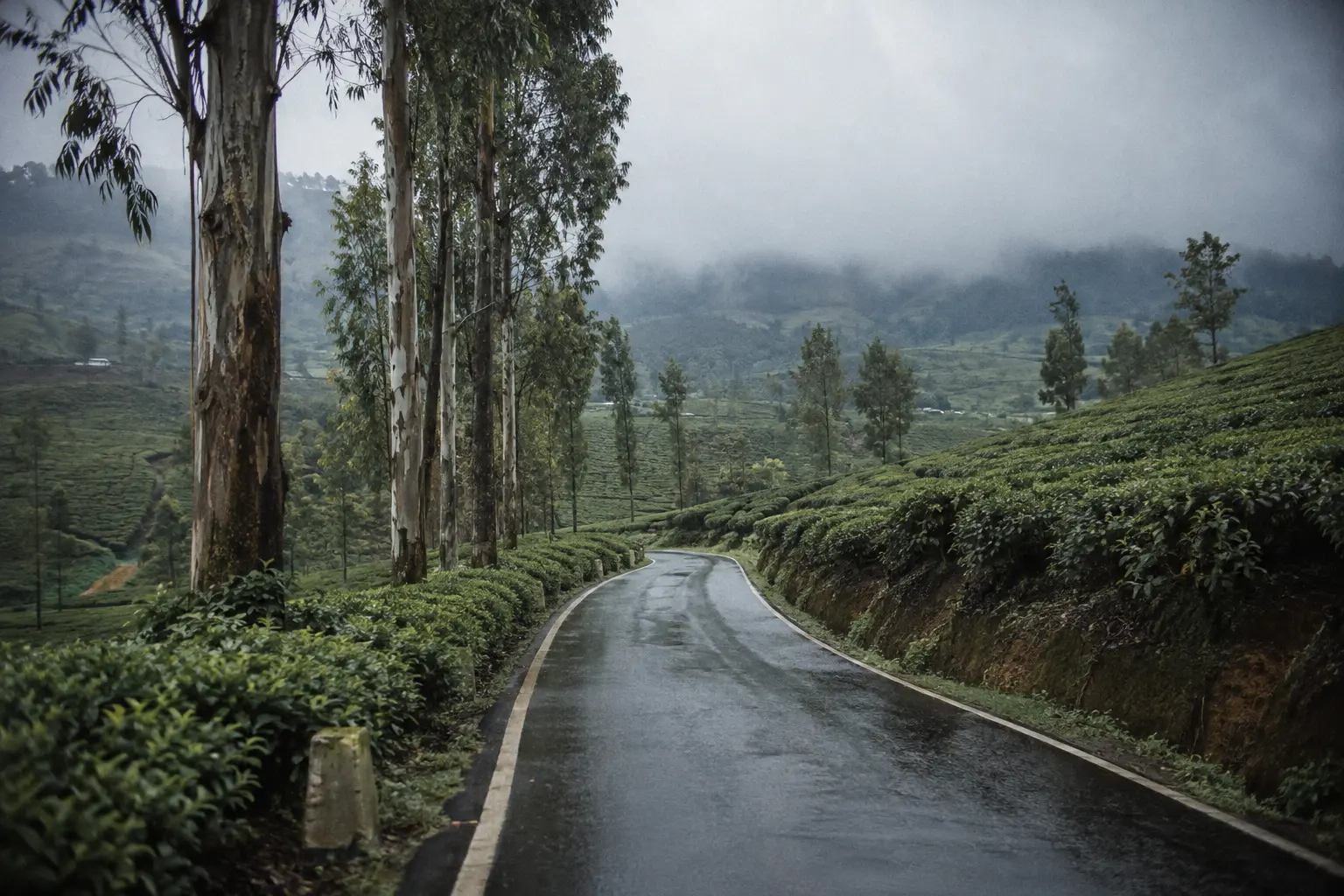
Tea estate road curving between tea bushes in the Nuwara Eliya district

02

Hill Country

The interior climbs to around two thousand metres and the temperature drops with it. Tea estates cover most of the slopes, planted by the British and still worked by hand. Nights are genuinely cold in Nuwara Eliya — bring something warm.

The Kandy to Ella train runs through the middle of it and is worth doing for at least part of the route. Book the reserved seats well ahead; the unreserved carriages are standing room by the second stop.
Best time

January to April

Suggested nights

3 to 4

Main stops

Kandy · Hatton · Nuwara Eliya · Horton Plains · Ella · Haputale

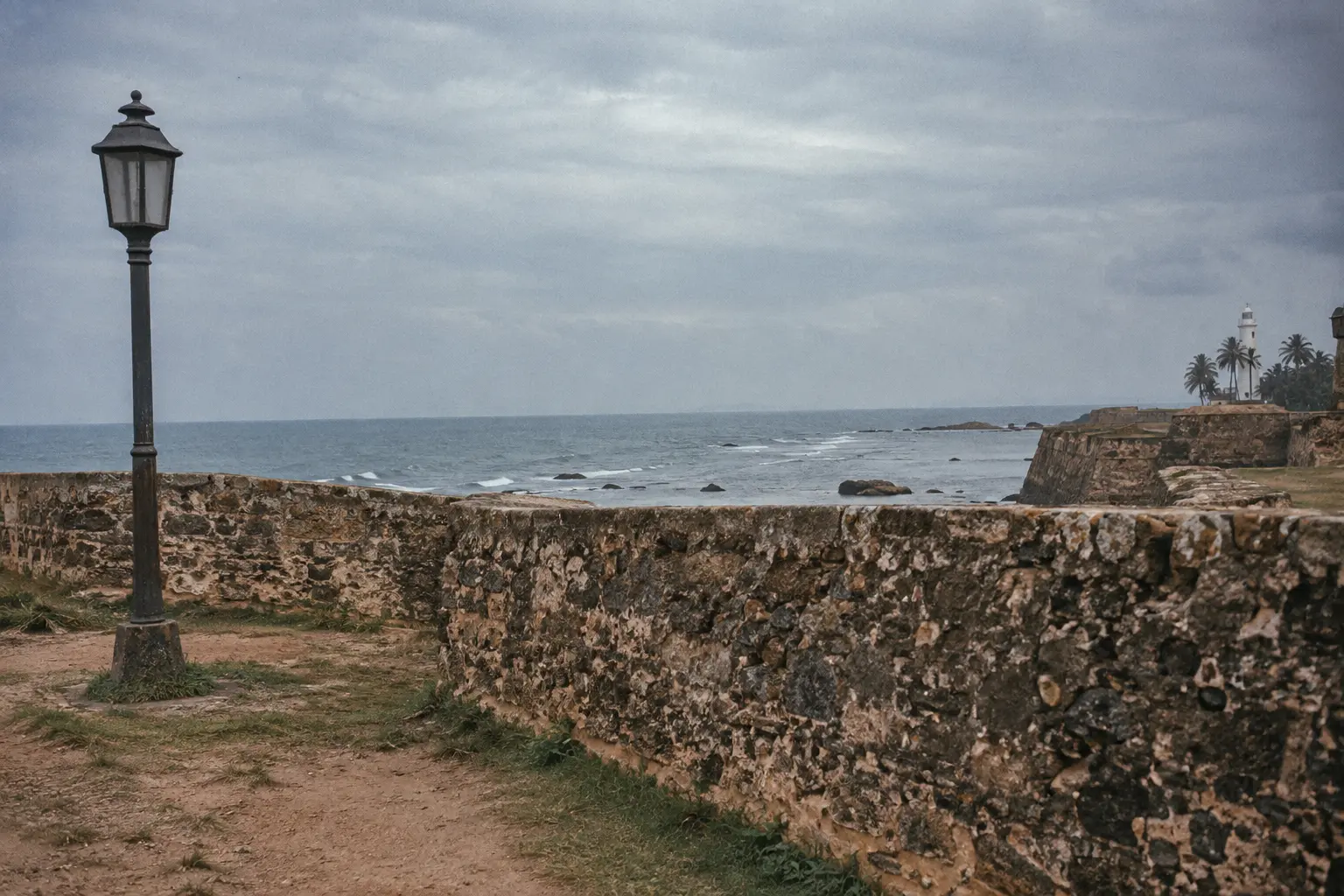
Weathered coral stone ramparts of Galle Fort with the Indian Ocean beyond

03

South & West Coast

The most developed stretch of coastline, and the easiest place to end a trip. Galle Fort is a walled Dutch town you can cover on foot in an afternoon, with enough cafés and shops inside to fill a second one.

West of Galle the beaches are calm and family-friendly; east towards Weligama and Mirissa the surf picks up. Blue whale boats leave from Mirissa between December and April, early in the morning.
Best time

November to April

Suggested nights

3 to 5

Main stops

Galle · Unawatuna · Mirissa · Weligama · Bentota · Tangalle

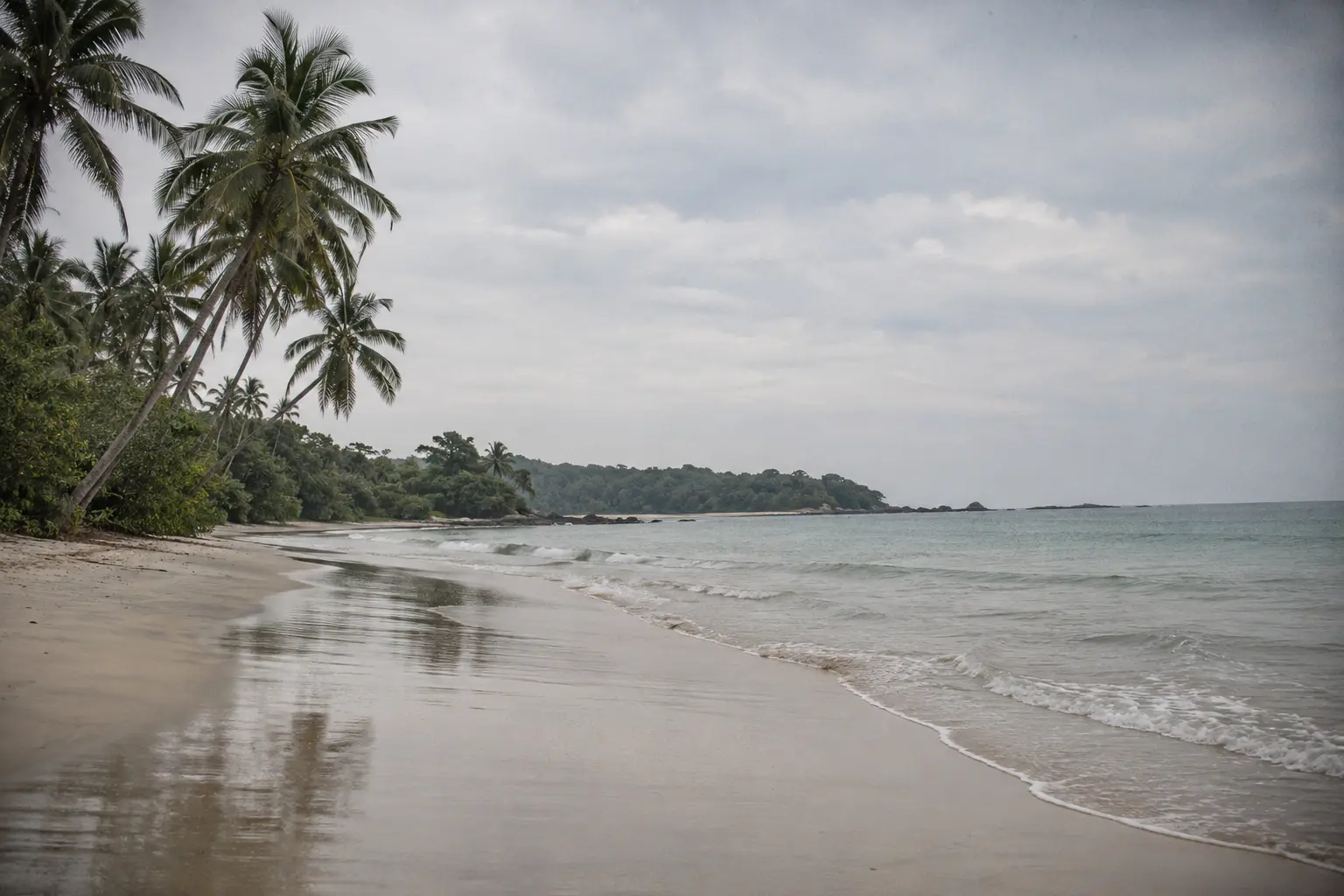
Empty beach near Trincomalee with wet sand reflecting a pale sky

04

The East Coast

The east runs on the opposite monsoon to the south, which is the single most useful thing to know about planning a Sri Lankan trip. When the south is grey and wet, the east is flat, clear and half empty.

Arugam Bay is a surf town with a season that runs May to September. Trincomalee has better swimming and Pigeon Island offshore. Between them, long stretches of coast with almost nothing built on them.
Best time

May to September

Suggested nights

3 to 4

Main stops

Trincomalee · Nilaveli · Pigeon Island · Passikudah · Arugam Bay

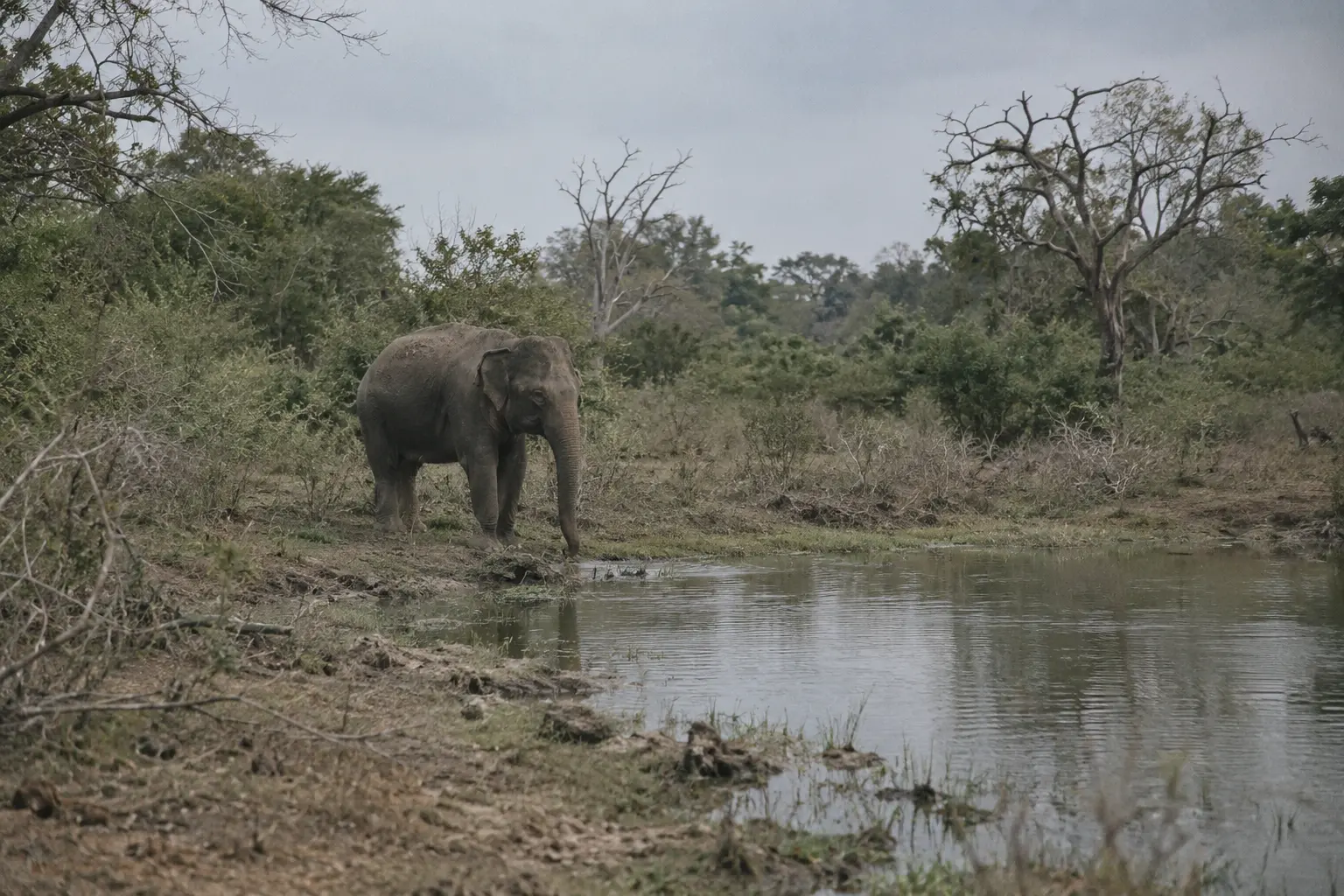
Wild Asian elephant at the edge of a waterhole in a Sri Lankan national park

05

Wildlife Parks

Sri Lanka has one of the highest leopard densities anywhere, and Yala is where most people go to find one. It is also the busiest park on the island, so an early start and a driver who knows the tracks matters more than the park you pick.

Udawalawe is the reliable one for elephants year-round. Wilpattu is larger, quieter, and harder work. Between June and September, hundreds of elephants gather at Minneriya tank — worth planning a trip around.
Best time

February to July

Suggested nights

2 to 3

Main stops

Yala · Udawalawe · Wilpattu · Minneriya · Bundala · Sinharaja

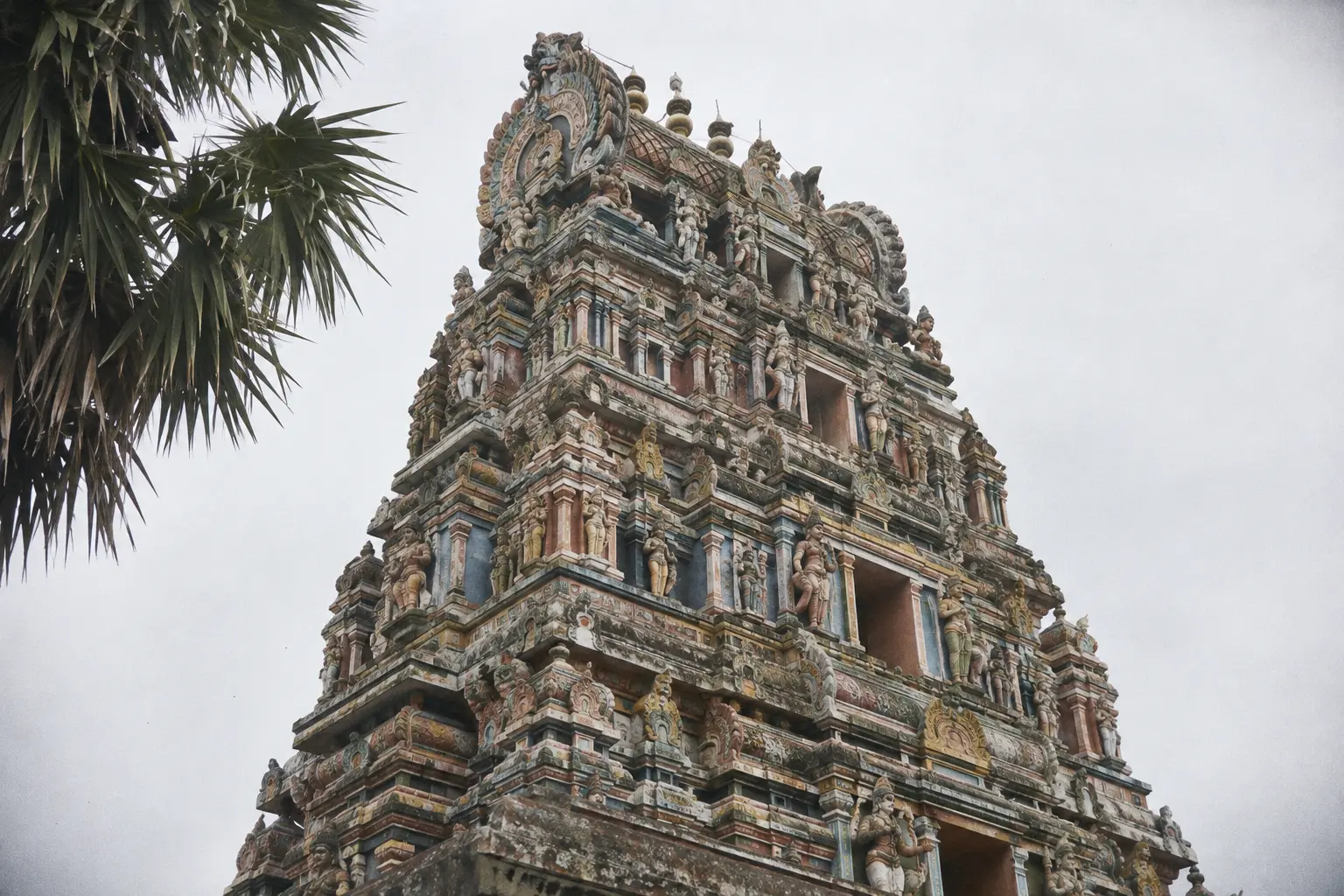
Painted gopuram tower of a Hindu temple in Jaffna seen from below

06

Jaffna & the North

Flat, dry, and culturally a different country. Palmyra palms instead of coconut, Tamil instead of Sinhala, and food that is hotter and better than most of what you'll eat further south. Few visitors make it up here.

Nallur Kandaswamy temple is the centre of it. Beyond Jaffna there are islands reachable by causeway and ferry — Delft has wild ponies and coral walls, and takes the best part of a day to visit properly.

Best time

February to September

Suggested nights

2 to 3

Main stops

Jaffna · Nallur · Nainativu · Delft Island · Point Pedro · Casuarina Beach

When to go

There is no bad month. Only different coasts.

Sri Lanka runs on two monsoons that hit opposite sides of the island at opposite times of year. Whenever you can travel, somewhere is dry.

Month South & west coast Hill country Cultural Triangle, east & north
JanuaryBestBestWet
FebruaryBestBestGood
MarchBestBestBest
AprilGoodGoodBest
MayMixedMixedBest
JuneWetMixedBest
JulyWetMixedBest
AugustWetMixedBest
SeptemberMixedMixedGood
OctoberWetWetWet
NovemberGoodMixedWet
DecemberBestGoodWet

October is the one to avoid if you can. It sits between the two monsoons and both coasts get heavy afternoon rain. April is the other inter-monsoon month, but it is far kinder.

Wet does not mean washed out. Sri Lankan rain usually arrives as a short, heavy afternoon downpour and clears. Mornings are often bright even in the middle of a monsoon.

Wildlife has its own calendar. Yala is at its best February to July and normally closes for part of September and October. The elephant gathering at Minneriya runs June to September.

The hills are cool all year. Nuwara Eliya sits near two thousand metres and drops close to ten degrees at night from December to February. Pack something warm whenever you come.

Tell us your dates and we'll tell you which coast to be on.